-
0548177111

-
[email protected]


18 GMT+34
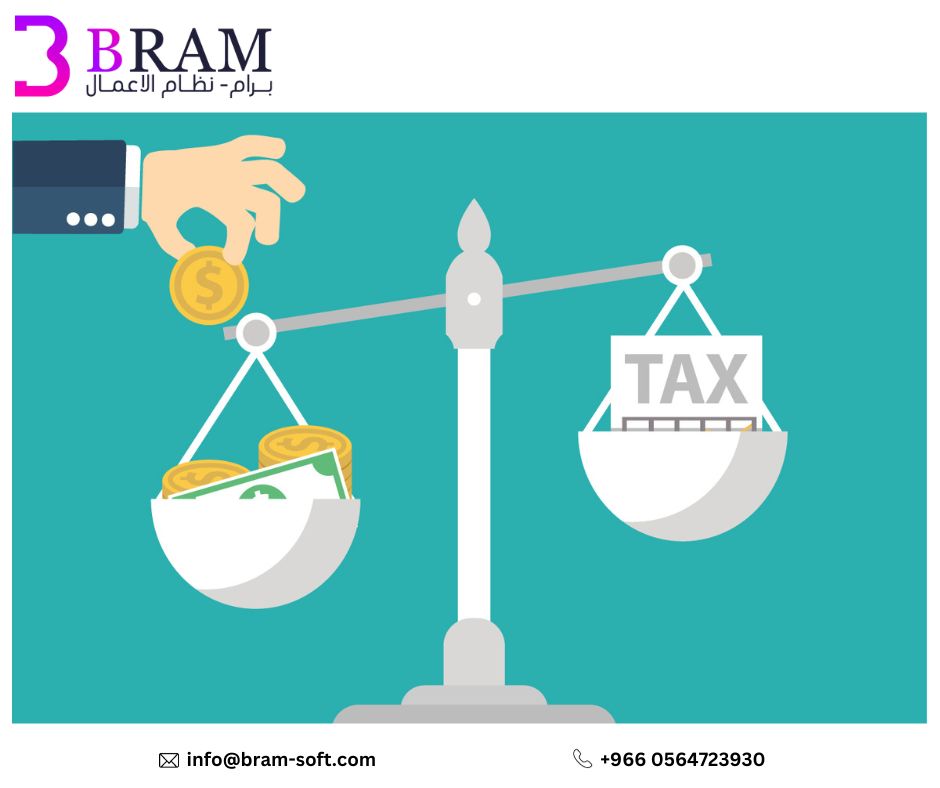
When a consumer purchases goods and services or obtains certain services, an additional amount is imposed on the final price of these goods or services, and this amount is known as value added tax.
This tax is imposed by states and governments with the aim of generating additional revenues that are used to finance public services and government projects, such as health care, education, infrastructure, and other services that benefit communities
In this article, you will be presented with BramSoft Approved by the Zakat, Tax and Customs Authority, a comprehensive overview of the importance of applying value-added tax to the Saudi economy, in addition to how to calculate value-added tax in Saudi Arabia for goods and products.
The concept of value added tax in Saudi Arabia
Value Added Tax (VAT) was implemented in the Kingdom of Saudi Arabia in 2018, and is a tax imposed on goods and services that are purchased and sold in the Kingdom. VAT is considered an important reform in the Saudi tax system, as it provides sustainable revenues for the government and contributes to diversifying sources of income. .
VAT objectives
Value-added tax enhances transparency and justice in the tax system, as the tax burden is distributed fairly among establishments and individuals who deal with goods and services. It also contributes to achieving many economic and social goals, including:
- Diversify sources of incomeImposing a value-added tax allows for the adoption of a comprehensive and sustainable tax system, and enhances the government’s financial balance by diversifying revenue sources.
- Enhancing competitiveness: VAT may contribute to improving the ability of small and medium enterprises to compete locally and internationally, as the tax is covered regularly in the supply chain.
- Increase transparency: Value-added tax contributes to enhancing transparency in the tax system and establishing consumer and business confidence in the government’s performance.
- Stimulate innovation and investmentAddressing purchasing power and economic considerations, which enhances innovation and investment in the Saudi economy.
Types of taxes in the Kingdom of Saudi Arabia
There are several types of taxes within the Kingdom of Saudi Arabia, which are as follows:
- Value Added Tax (VAT): A 15% tax is imposed on goods and services purchased and consumed in the Kingdom.
- Excise goods tax: It is imposed on some luxury and recreational goods such as cigarettes, alcoholic beverages and luxury cars.
- Property tax: It is imposed on real estate owned by companies and individuals and its value exceeds a specific limit.
- Zakat and income tax (Zakat): It is imposed at a rate of 2.5% on assets and profits.
- Income taxIt is imposed on companies and individuals on their profits and income and includes both corporate income tax and personal income tax:
- for individuals: It is imposed at rates ranging from 0% to 20% on income, with four tax categories and varying rates.
- for companies: It is imposed at 20% of net profit, with legal exceptions for some economic sectors.
Average income tax in Saudi Arabia
The Zakat, Tax and Customs Authority in the Kingdom of Saudi Arabia provides detailed data on the average income tax in the country, through which the average income tax in Saudi Arabia is estimated at approximately 15% of taxable income, as the actual tax percentage due changes from one individual to another based on the level of personal income, In addition to several other factors, the most important of which are:
- Income levelThe tax rate increases as income increases, reaching 20% on taxable income.
- Income typeThe tax rate varies according to the type of income, as it is 20% on salaries and wages and 15% on commercial, industrial and agricultural profits.
- Tax advantagesTaxpayers are allowed to reduce the tax due by deducting certain expenses and expenses from the tax base.
Value added tax rate in the Kingdom of Saudi Arabia
The value-added tax rate in the Kingdom of Saudi Arabia is 15%, as this tax is imposed on goods and services that are purchased and consumed in the Kingdom.
VAT applies to most consumer goods and services, but there are some exceptions such as basic food items and essential medicines. Therefore, individuals and companies must commit to paying VAT and submitting their tax reports in accordance with the legal requirements in force in the Kingdom of Saudi Arabia.
Steps to calculate the 15% tax for your facility
To calculate VAT as an establishment in the Kingdom of Saudi Arabia, you must follow the following steps:
- Determine taxable supplies: You must identify the supplies that your company sells that are subject to VAT.
- Determine the taxable amount:The amount subject to VAT must be determined for each taxable supply, as this amount represents payments for goods or services excluding the VAT value included in the prices.
- Calculating the input tax credit:You can calculate the input tax credit Your company paid VAT on its purchases and expenses during the tax period.
- Calculating the VAT due:To calculate the VAT due, the taxable amount must be multiplied by the approved VAT rate in Saudi Arabia of 15%.
- Calculating the net VAT due:Subtract the input tax credit from the output tax payable to the government to determine the net VAT payable.
- VAT reporting and remittance:Your company must report the VAT due and remit the payment due to the government on a regular basis, whether monthly or quarterly.
How to calculate VAT on goods
To calculate VAT, the following steps can be followed:
- Specify the value of the good or service whose tax you wish to calculate.
- Multiply the value of the good or service by the value-added tax rate, which is 15%.
- Use the following formula to calculate the final value:
Tax value = sales value x tax rate
- Add the output from the previous process to the value of the original good or service to get the final total.
For exampleIf you purchase an item worth 100 riyals in the Kingdom of Saudi Arabia, the VAT can be calculated as follows:
100 riyals x 0.15 (VAT rate) = 15 riyals
How to create your electronic invoices according to the requirements of the Zakat and Tax Authority
BramSoft, the system approved by the Zakat, Tax and Customs Authority, provides a set of programs that contribute to calculating value-added tax accurately according to...to the legislation Zakat and Tax Authority, the most important of these programs are:
Sales system
PrepareSales module Provided by BramSoft, it is one of the most important programs used to assist in issuing tax invoices. This system is characterized by many features that contribute to improving the performance of companies, the most important of which are:
- Manage prices, discounts and taxes: The system helps manage prices and apply discounts flexibly, in addition to calculating taxes accurately in accordance with local legislation.
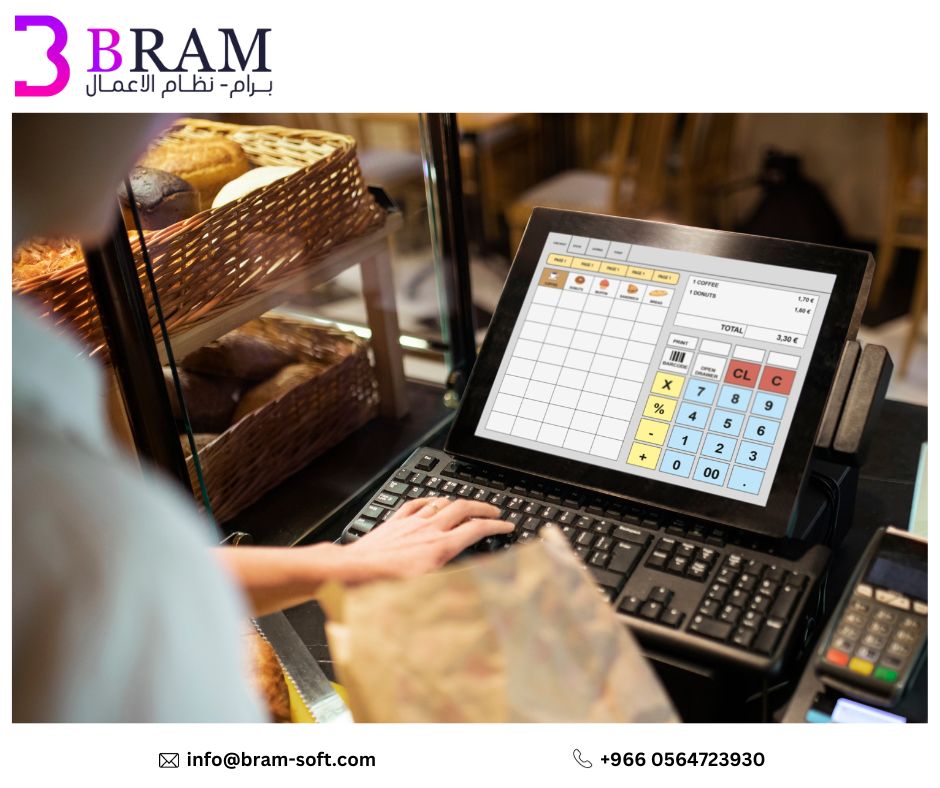
- Create quotes and issue invoices: The Bram system allows for the easy creation of quotations and the issuance of identical invoices approved by the Zakat, Tax and Customs Authority, which facilitates accurate tracking of financial and accounting operations.
- Manage orders and shipments: The system provides tools to manage orders and shipping processes efficiently, making it easier to track the status of orders and manage deliveries effectively.
- Detailed reportsThe sales system in the Bram system includes detailed reports on buying and selling operations, which makes it easier for the user to conduct analyzes and make strategic decisions regarding business management.
- Customer managementThe system provides the ability to centrally manage customer information and track interactions with them, which facilitates the provision of outstanding customer service.
- Sales team management: The system can help companies organize the activities of sales teams and monitor the performance of team members.
- Credit notes: The system allows for issuing reminder notifications about payments and outstanding debts, which facilitates the management of collection and payment processes.
- Customer bonds: Customer vouchers can be easily created and tracked to ensure transparent and reliable dealings with customers.
- Delivery orders: The system enables the efficient generation and tracking of delivery orders to ensure accurate and timely delivery of goods.
- Sales reports: Detailed reports can be viewed on the performance of the sales department, financial operations, stores, and customers, enabling the company to make informed decisions based on the data.
Accounts system
Prepare Accounting system software A distinctive tool that contributes to managing accounts and finances in an effective and integrated manner. This model also has many important features for company owners and businessmen, the most important of which are:
- Create invoices: Allows customers to easily create invoices and track them, facilitating the process of collecting money.
- Payment management: You can manage incoming and outgoing payments and record them in the system.
- Expense and revenue management: Allows you to accurately record and track expenses and revenues.
- Create financial reports: You can create various financial reports to analyze profits and losses and track financial performance.
- Track the movement of funds: You can track the movement of funds within the company and make reconciliation between different accounts.
- Credit and debit notes: To facilitate the follow-up of debts and debtors and ensure timely payment of obligations.
- Inventory the box: You can accurately manage the fund inventory to know the available amounts.
- Bills of exchange, transfer bills, and bills of exchange: Allows you to register and manage these bonds easily.
- Tree of accounts and cost centers: Providing an organizational structure for accounts and cost centers to improve the classification of financial operations.
- Daily restrictions: Allows you to record daily financial restrictions easily.
- Bank reconciliation: You can record and track the bank reconciliation accurately.
Warehouse and warehouse system
- He providesWarehouse system software Developed by BramSoft, there are many important features for managing inventory effectively, and the most important of these features are:
- ATo control the addition and management of products: You can add, modify and monitor products easily.
- Assembly of primary and final products: Allows you to assemble raw components to produce a final product.
- Inventory management: You can manage inventory inventory accurately and effectively, which helps improve planning and forecasting needs.
- Motion tracking: It helps you track the movement of items within inventory, such as additions, removals, and transfers, which makes it easier for you to monitor the movement of items and ensure their availability at the required times.
- Cost control: You can determine the costs of each item in inventory, such as total cost, purchasing cost, and storage cost, making it easier for your management to make strategic inventory management decisions.
- Reports and statistics: Provides you with comprehensive reports on inventory inventory and movement, in addition to statistics on inventory items and their prices.
Disadvantages of VAT
Value-added tax is a tax system that has many benefits, but it also carries some disadvantages and challenges, the most important of which are:
- Its impact on low-income individuals: VAT could be more targeted at people with lower incomes, as it represents a larger proportion of their monthly income.
- Increased transaction costs: VAT can increase business transaction costs, as it requires additional obligations such as analyzing invoices and submitting reports.
- Its impact on prices: Increased production costs due to VAT can lead to higher final prices for products and services, which may negatively affect the financial integrity of individuals and companies.
- Fraud and tax evasion: The VAT system can lead to increased cases of tax fraud and evasion, as some companies attempt to avoid paying the tax by manipulating invoices and accounting records.
- Its impact on commodities: VAT on essential goods and essential services may disproportionately affect low-income individuals, increasing their financial burden.
- Impact on small markets: VAT can be a burden on small businesses and start-ups, making it difficult for them to compete with larger companies.
Goods that are taxed in the Kingdom of Saudi Arabia
In the Kingdom of Saudi Arabia, VAT is imposed on a wide range of goods and services that are purchased and consumed. Among the goods on which VAT is imposed are:
- Electronic and electrical devices such as mobile phones, computers and televisions.
- Clothes, shoes and accessories.
- Furniture and home furnishings.
- Prepared and canned food.
- Drinks, cigarettes, tobacco, chocolate and sweets.
- Cars, family and commercial vehicles.
- Perfumes and cosmetics.
- Hotel services, restaurants and shops.
Importance Subscribe to BramSoft cloud platform
- Easy access: The BramSoft system provides easy access from anywhere, without the need to install programs on a personal computer.
- Support integration with customer websites: The system can provide programming interfaces (APIs) for customers who own websites, allowing them to easily add quotation functionality and interact effectively with the system.
- Systems IntegratedThe system includes an integrated set of modules, including sales, accounting, human resources, and managementStores And points of sale (POS), providing comprehensive coverage of the company's needs.
- Special monthly subscription: The system is offered on a monthly subscription model, which helps businesses reduce costs compared to traditional ERP systems that require large upfront payments.
- Compliance with government agencies: The site is registered with the Zakat, Tax and Customs Authority and is recognized by it, which allows companies to recover their money when registering and purchasing from the Authority, and also allows companies to register at reduced prices in various tax categories as a result of their recognition by the Authority.
- Certified by Fatawa platform: The BramSoft system is certified by the Fatura platform, which is a government platform that handles the electronic invoicing part, ensuring compliance with legal and tax requirements in a reliable and proper manner.
In conclusion, we learned through BramSoft how to calculate value-added tax in Saudi Arabia, the most important programs used to calculate it accurately, and how important it is in constituting an important source of government revenues and contributing to financing public services and development projects.
Most important Frequently asked questions about how to calculate VAT in Saudi Arabia
How do I find out the tax value from the total amount?
After that, the added tax is calculated from the total amount of the invoice by performing a special calculation by dividing the total amount of the invoice by 1.15, in order to obtain the value of the item after excluding the value of the added tax.
How do you calculate the 15 percent tax?
To calculate the 15% tax, this is done by converting the tax percentage to a decimal number. If you want to calculate a 15% tax, you can convert the tax percentage to a decimal expression of 0.15, then multiply this decimal number by the value of the product or income you want. Calculate the tax value on it.
How do I calculate the value added using the calculator?
For example, if the item price is 200 Saudi riyals and the tax rate is 15%:
- VAT = (15 / 100) x 200 = 30 Saudi riyals.
- Final price after calculating tax = 200 + 30 = 230 Saudi riyals.
- So, the final price of the item after calculating the tax is 230 Saudi riyals.
How much is the 300 riyal tax?
To calculate the tax value on 300 Saudi riyals at the usual added tax rate in the Kingdom of Saudi Arabia of 15%, you can follow the following steps:
Multiply the value of the item (300 riyals) by the added tax rate (15%).
You will get the tax value: 300 x 0.15 = 45 Saudi riyals.
So, the tax value on 300 Saudi riyals is 45 Saudi riyals.



 Arabic